




First impressions are incredibly powerful, and the exterior of a property speaks volumes before a guest even reaches the front door. Home access areas, including thresholds, front gardens, and vehicle parking spaces, serve a dual purpose that many homeowners overlook. They are the aesthetic introduction to your living space, but they also bear the brunt of daily foot traffic, changing weather, and vehicular weight. Designing these zones requires a careful balance of visual appeal and structural practicality. An attractive layout can significantly boost kerb appeal and increase property value, while a logical design prevents everyday frustrations like poor drainage, paint damage from loose stone, or awkward parking angles.
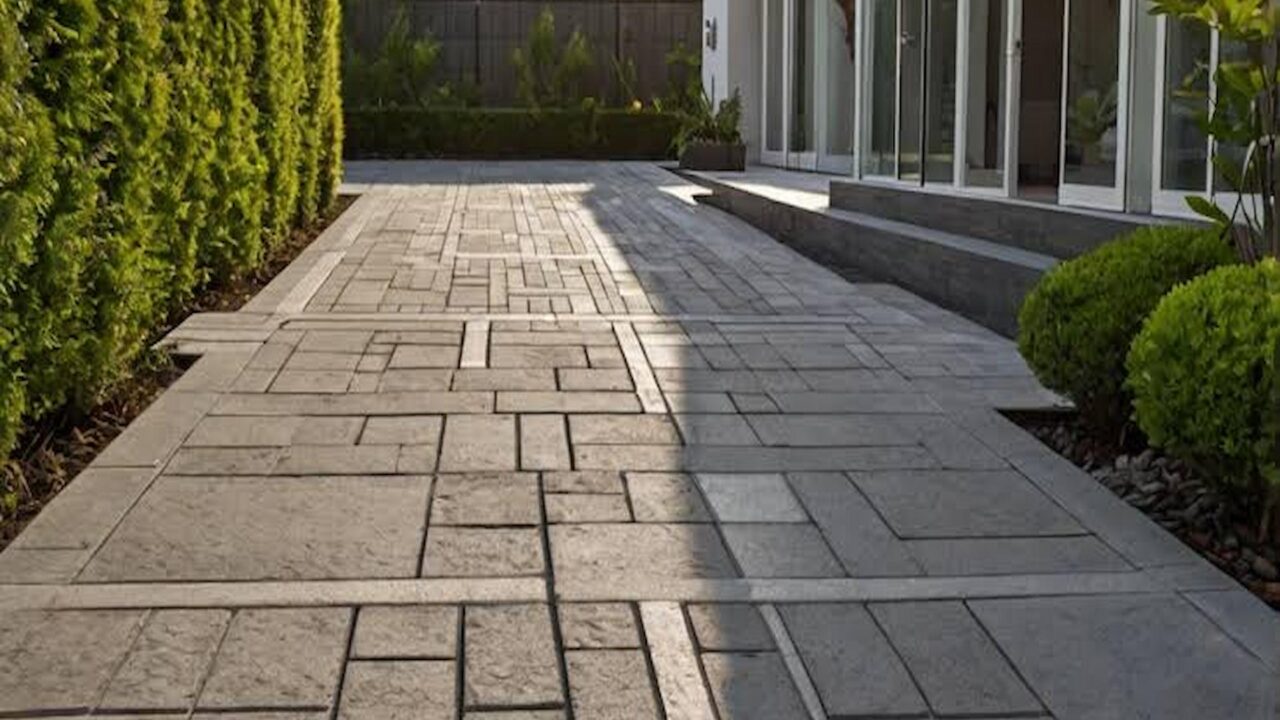
Transforming a front frontage from a standard concrete expanse into a striking, welcoming arrival zone requires deliberate choices from the ground up. The hardstanding surface material choice sets the tone for the entire exterior. For property owners across the home counties, commissioning premium driveways Hertfordshire services provides an ideal opportunity to establish a highly durable, visually stunning entrance. Selecting advanced, weed-resistant paving or resin systems ensures that your property’s threshold stays immaculate with minimal upkeep, instantly establishing a neat and well-ordered aesthetic that complements the architectural character of your home.
Structural Design Principles for Smooth Transit
A successful access layout prioritises spatial logic. It should guide vehicles and pedestrians naturally and safely toward their respective destinations without creating visual clutter.
Maximising Turning Circles and Parking Geometry
When planning vehicle spaces, you must account for more than just the length of your current car. A functional layout accommodates delivery vans, guest vehicles, and larger family transport without risking scrapes against boundary walls. Incorporating slight curves can soften the visual impact of large hardstanding areas, but the central turning geometry must remain wide and unobstructed.
Essential Features for Frontage Configurations
- Clear Demarcation: Use contrasting block borders to subtly define the edges of vehicle zones and pedestrian footpaths.
- Integrated Storage Zones: Allocate a screened, easily accessible area for wheelie bins to keep them out of direct sightlines from the road.
- Low-Level Lighting: Install solar-powered or low-voltage LED bollard lights along the main path to ensure safe navigation after dusk.
Sustainable Surface Materials and Water Management
The changing British weather requires a proactive approach to surface water management. Standing water and localised flooding can rapidly degrade building foundations and compromise paving joints over time.
Sustainable Drainage Systems (SuDS) Compliance
UK planning regulations heavily restrict the unregulated runoff of rainwater from front gardens into public sewers. Modern home entry renovations must incorporate permeable materials or dedicated soakaways to manage rainfall safely on-site. Permeable block paving, porous resin-bound aggregates, and open-graded gravel systems allow rain to filter naturally into the sub-base, preventing surface pooling and eliminating ice hazards during cold winters.
Aligning Surface Textures with Architecture
The material you select should harmonise with the age and colour palette of your property. Red-brick period homes benefit from traditional clay pavers or warm-toned aggregates, whereas contemporary self-builds pair beautifully with sleek, dark grey porcelain tiles or smooth resin. When upgrading these key structural elements, utilising specialist driveways Hertfordshire installers ensures that the essential ground preparation and sub-base compaction are completed to certified engineering standards. This thorough preparation prevents sagging and surface cracking under heavy vehicle loads over the coming decades.
Soft Landscaping to Balance Hard Infrastructure
An access zone composed entirely of hard surfaces can feel cold and institutional. Introducing plants, borders, and green elements is vital for softening sharp architectural lines and welcoming visitors.
- Architectural Borders: Use low-maintenance structural evergreens like Buxus or lavender to frame pathways without blocking lines of sight for exiting vehicles.
- Raised Planters: Implement timber or stone sleepers to introduce varied height levels, creating visual depth on flat frontages.
- Creeping Groundcover: Fill narrow gaps between pathways with hardy, fragrant herbs like thyme to suppress weeds naturally.
- Drought-Resistant Flora: Select resilient shrubs that thrive in shallow soil conditions and require minimal watering during summer spells.
Long-Term Value and Usability
Smart planning transforms a property’s entryway from a purely functional strip of tarmac into an integrated, stylish extension of the home. By prioritising high-quality materials, proper drainage configurations, and strategic soft landscaping, modern homeowners can eliminate common structural issues before they surface. Investing in the external infrastructure of your property not only simplifies daily routines but also ensures that your home presents an inviting, prestigious face to the world for generations to come.
Elegant Entryway Design
Creating practical and attractive home access zones relies on combining smart spatial layout with certified material installations. Prioritising permeable surfaces, architectural evergreens, and professional paving services ensures that frontages remain weed-free, safe, and beautifully aligned with local planning laws. These deliberate choices drastically cut down on ongoing property upkeep while elevating kerb appeal. Ultimately, a strategically planned entry area turns an ordinary threshold into a true design statement, allowing you to welcome guests with total confidence and long-term structural reliability.