



Property damage can happen without warning, leaving your building exposed to weather, theft, and further deterioration. Knowing what to do immediately can make all the difference. Understanding the most common misconceptions about securing damaged properties helps you respond quickly, reduce further risks, and protect your home or business until permanent repairs are completed.
When windows or doors are damaged unexpectedly, many property owners underestimate the importance of acting quickly. Delaying emergency boarding up can leave a property vulnerable to bad weather, vandalism, trespassers, and further structural damage. Temporary boarding is not simply about covering a broken opening; it is about securing the property until permanent glazing repairs or replacements can be completed. Understanding what emergency boarding involves and avoiding common misconceptions can help minimise damage, improve safety, and give property owners greater peace of mind during an already stressful situation.
Acting Quickly Matters More Than Many People Realise
One of the biggest mistakes people make is assuming that a damaged window or door can wait until normal business hours. Even a small opening can allow rain, wind, debris, or unwanted visitors to enter the property. The longer the damage remains unsecured, the greater the chance of additional repair costs. Prompt action helps protect the building while reducing the likelihood of further complications developing before permanent repairs are carried out.
Boarding Up Is About More Than Covering Broken Glass
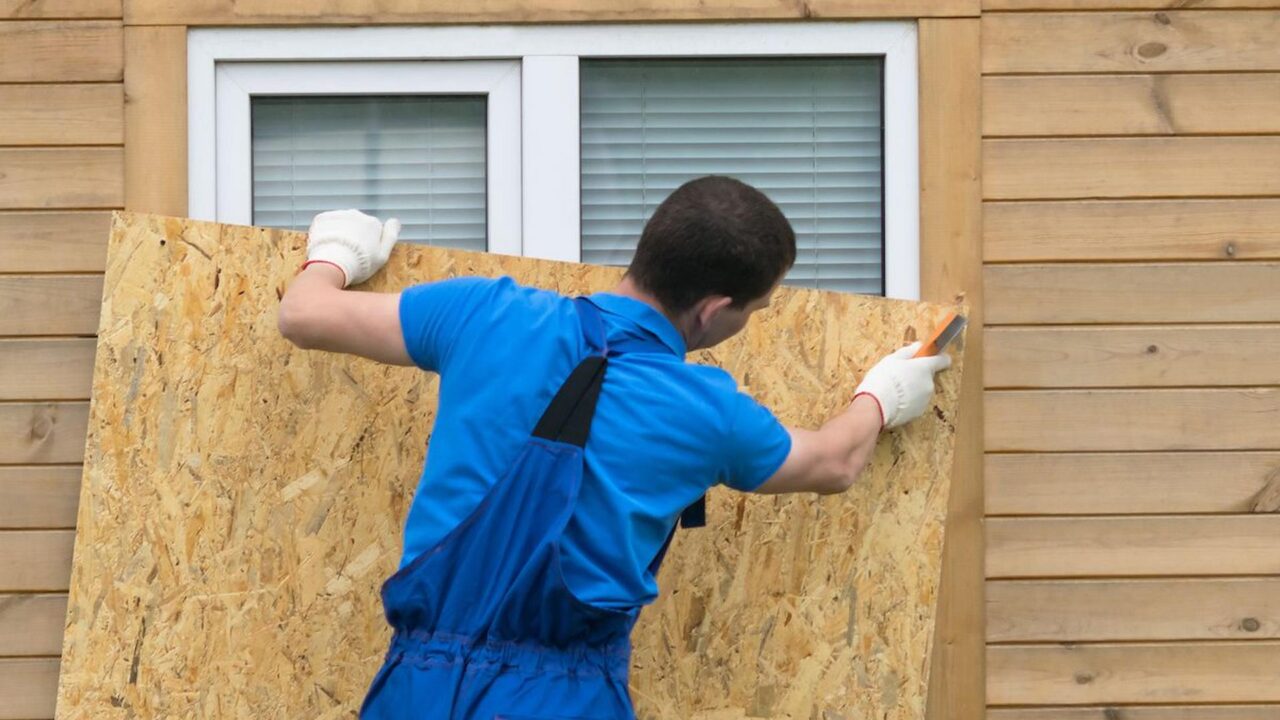
Many people believe boarding up simply means placing a wooden panel over a broken window. In reality, professional boarding is designed to secure the damaged area safely while maintaining the integrity of the property. Properly installed boarding helps reduce access to the building and provides temporary protection against external conditions until replacement glazing can be installed. The quality of the installation plays an important role in how well the property remains protected.
Temporary Protection Still Needs Professional Standards
Because boarding is only a temporary measure, some people assume the installation does not need to be completed carefully. This misunderstanding can create additional risks. Poorly fitted boarding may become loose during strong winds or fail to protect the opening effectively. A secure installation ensures the damaged area remains stable while preventing unnecessary movement that could worsen the existing damage.
Every Damaged Opening Should Be Properly Assessed
Not every damaged window or door requires the same approach. The location, size of the opening, surrounding frame condition, and extent of the damage all influence how the property should be secured. A careful assessment helps determine the safest temporary solution while preparing for suitable glazing repairs or replacement. Treating every situation individually helps achieve better long-term results.
Waiting for Permanent Repairs Is Not Always Practical
Many property owners hope permanent glass replacement can be completed immediately. However, replacement glass may need to be manufactured, ordered, or matched to existing specifications. During this waiting period, the property still needs reliable protection. This is where emergency boarding up becomes an essential step, allowing the building to remain secure while the correct replacement materials are arranged. Temporary protection bridges the gap between the initial damage and the final repair.
Security Is Just As Important As Weather Protection
Broken glazing creates more than exposure to rain or cold temperatures. It also increases security risks for both residential and commercial properties. An unsecured opening may attract unwanted attention or allow unauthorised access. Proper boarding helps reduce these risks by creating a strong temporary barrier that protects the property until the damaged glazing has been replaced.
Internal Damage Can Continue After the Initial Incident
Many people focus only on the visible broken glass without considering what may happen afterwards. Water entering through damaged openings can affect flooring, walls, ceilings, furnishings, and electrical fittings. Wind can carry dirt and debris inside the building, creating additional cleaning and repair work. Securing the property promptly helps limit secondary damage that may otherwise become far more expensive than the original glazing repair.
Commercial Properties Face Additional Challenges
Businesses often need to protect both their premises and their reputation following accidental damage. A damaged shopfront or office entrance can affect customer confidence while increasing security concerns outside trading hours. Temporary boarding allows businesses to secure vulnerable areas until replacement glazing is installed, helping minimise disruption and maintain a professional appearance wherever possible.
Safety Should Always Come First
Broken glass presents a significant safety hazard. Sharp fragments around windows and doors can create risks for occupants, visitors, employees, and contractors. Attempting to remove damaged glazing without suitable equipment or experience may increase the likelihood of injury. Securing the affected area while arranging professional repairs helps reduce unnecessary risks and creates a safer environment for everyone nearby.
Choosing the Right Repair Approach
After the property has been secured, the next step is planning the permanent repair. The appropriate solution depends on factors such as the type of glazing, the frame condition, and whether replacement glass is required. A professional assessment helps determine the most suitable option while ensuring the finished repair restores both security and appearance.
Regular Property Maintenance Reduces Future Risks
Although accidents cannot always be prevented, routine maintenance helps identify weaknesses before they develop into larger problems. Inspecting window frames, glazing seals, hinges, locks, and doors regularly can reduce the likelihood of sudden failures. Keeping glazing in good condition also improves energy efficiency, weather resistance, and overall property security throughout the year.
Knowing When Professional Help Is Essential
Some property owners consider carrying out temporary repairs themselves, particularly when the visible damage appears minor. However, broken glazing can involve hidden structural issues that are not immediately obvious. Professional boarding ensures damaged areas are secured correctly while allowing permanent repairs to be planned safely. Experienced glazing specialists also have the equipment and materials needed to secure properties efficiently without causing unnecessary additional damage.
Conclusion
When a property suffers unexpected glazing damage, the decisions made during the first few hours can have a significant impact on both safety and repair costs. Delaying temporary protection or relying on inadequate solutions often increases the risk of weather damage, security issues, and further deterioration. Understanding the purpose of professional boarding helps property owners respond confidently while protecting their investment. Emergency boarding up provides an effective temporary solution that secures damaged openings until permanent glazing repairs or replacements can be completed. By acting quickly, arranging professional assistance, and avoiding common misconceptions, property owners can minimise disruption, reduce long-term costs, and restore their property safely and efficiently. A prompt and well-planned response ensures the building remains protected while the appropriate repair solution is put in place.