

Introduction
Choosing between hiring plant equipment and buying it outright can have a significant impact on your project budget. Whether you work in construction, landscaping or groundworks, the right decision depends on your workload, available funds and long-term plans.
Hiring equipment can reduce upfront costs, while ownership may offer better value for businesses with regular requirements. Understanding the advantages and disadvantages of both options will help you make an informed decision.
What Is Plant Hire?
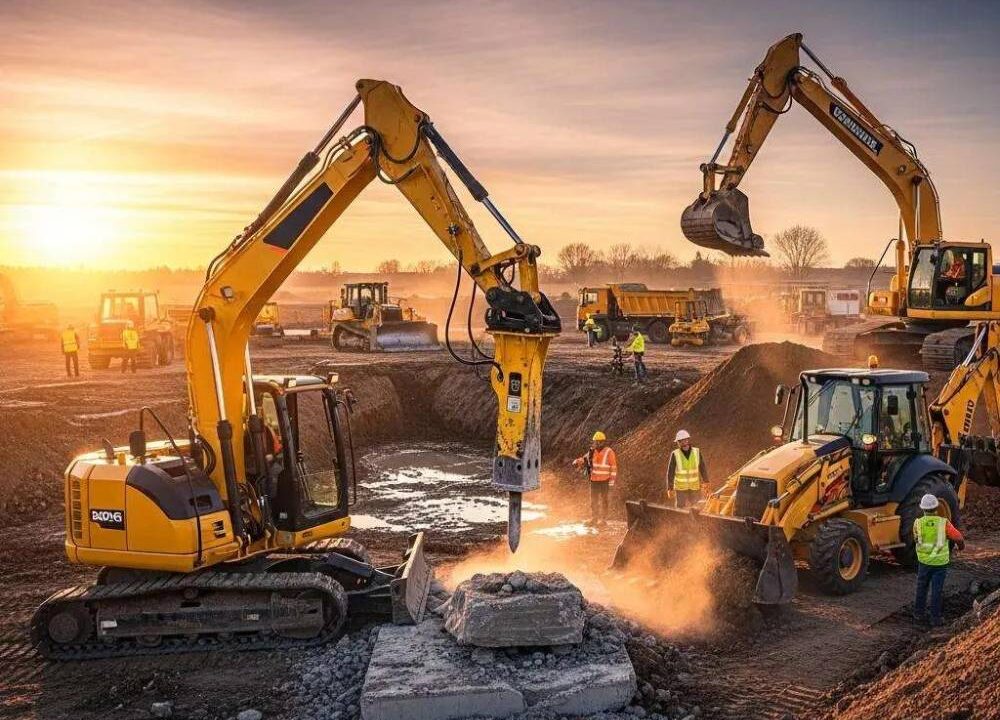
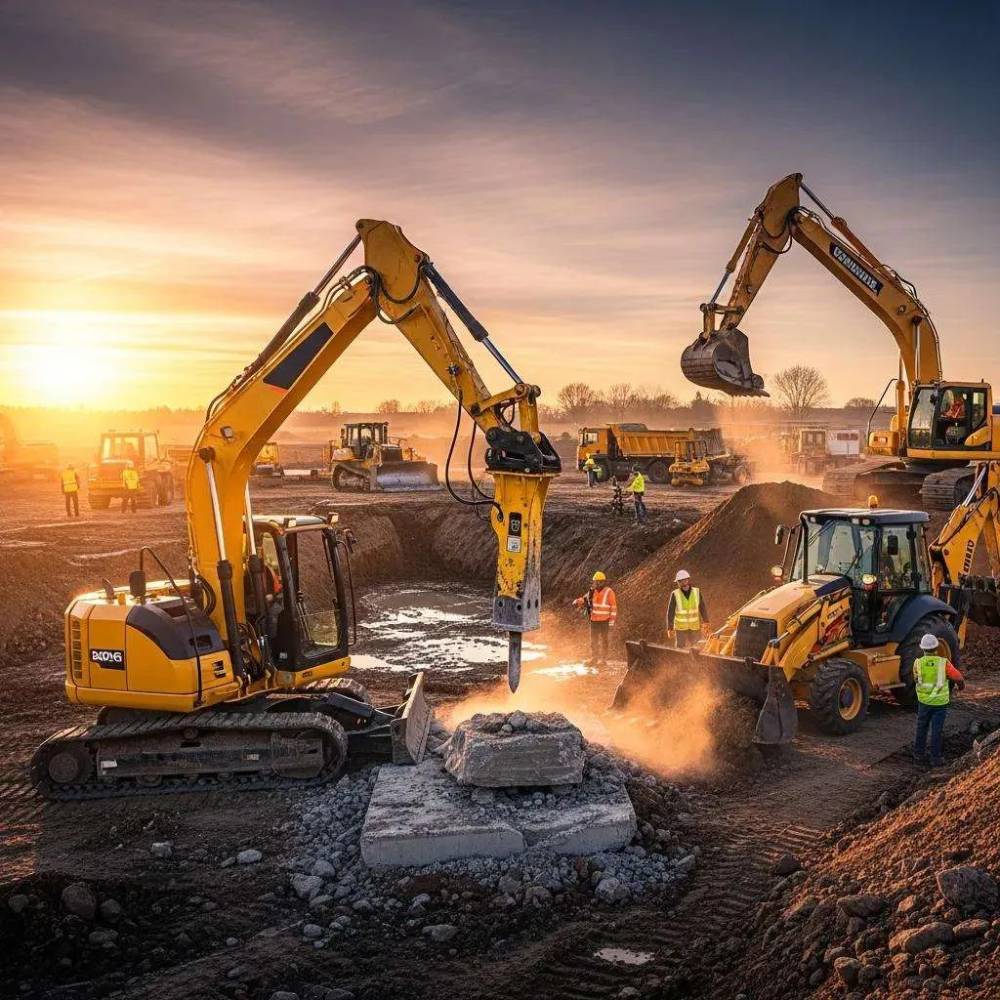
Plant hire allows businesses to rent machinery for a specific period, from a single day to several months. Common options include excavators, dumpers, telehandlers, cranes and lifting equipment.
It is particularly useful for projects with changing equipment needs. For example, a contractor might hire a mini excavator for groundwork and return it once the task is complete.
Specialist services such as hiab plant hire can also help transport and position heavy machinery or materials, depending on the vehicle, lifting capacity and site requirements.
The Benefits of Hiring Equipment
Hiring offers flexibility without the financial commitment of purchasing machinery.
Key advantages include:
- Lower initial costs: Avoid large upfront payments and preserve working capital.
- Maintenance support: Depending on the agreement, the hire company may handle servicing and repairs.
- Access to modern machinery: Choose suitable equipment for each project without owning an entire fleet.
- Greater flexibility: Adjust equipment choices as project requirements change.
Hire can be especially cost-effective for small businesses, occasional projects and contractors who need specialist machinery for short periods.
However, frequent or extended hire can become expensive. Delivery charges, insurance, fuel and late-return fees may also increase the final bill.
The Benefits of Buying Equipment
Buying plant equipment gives you long-term control over your machinery. Once purchased, it is available whenever your business needs it, subject to maintenance and availability.
Ownership can make financial sense when equipment is used regularly across multiple projects.
Other potential benefits include:
- No recurring hire charges for every job.
- Greater control over scheduling and availability.
- The opportunity to recover some costs through resale.
- The ability to maintain consistent equipment across projects.
Nevertheless, purchasing requires substantial capital. Owners must also budget for servicing, repairs, storage, insurance, depreciation and eventual replacement.
Unexpected breakdowns can cause additional costs and delay work.
Plant Hire vs. Buying: Which Is Cheaper?
The most cost-effective choice depends on how often equipment is used and how long it is needed.
Consider a hypothetical example. Hiring a machine costs £250 per day, while buying one costs £20,000. At 80 hire days, rental charges total £20,000.
However, this does not automatically make buying cheaper. Ownership also involves maintenance, insurance, storage, finance and depreciation. Conversely, hiring may include some maintenance support and avoids tying up capital.
Before deciding, compare the total cost of ownership against the complete hire cost for your expected usage.
Ask yourself:
- How many days will the equipment be used each year?
- Will the machine remain productive between projects?
- Can the business afford the purchase without affecting cash flow?
- Who will handle maintenance, transport and repairs?
Obtain written quotations and check exactly what each price includes.
How to Make the Right Decision
Hiring generally suits occasional use, short-term contracts and projects requiring different machinery. Buying is often more attractive when a machine is needed consistently and its ongoing ownership costs remain manageable.
You should also consider site access, operator training, transport arrangements and safety requirements. Always use suitable equipment and follow the manufacturer’s instructions and applicable UK regulations.
Conclusion
Plant hire and equipment ownership can both deliver value when matched to the right circumstances. Hiring offers flexibility and lower upfront costs, while buying may provide savings over time for frequent users.
Compare realistic costs, assess your workload and consider cash flow before committing. A clear financial comparison will help you choose the option that supports your projects without placing unnecessary pressure on your budget.