
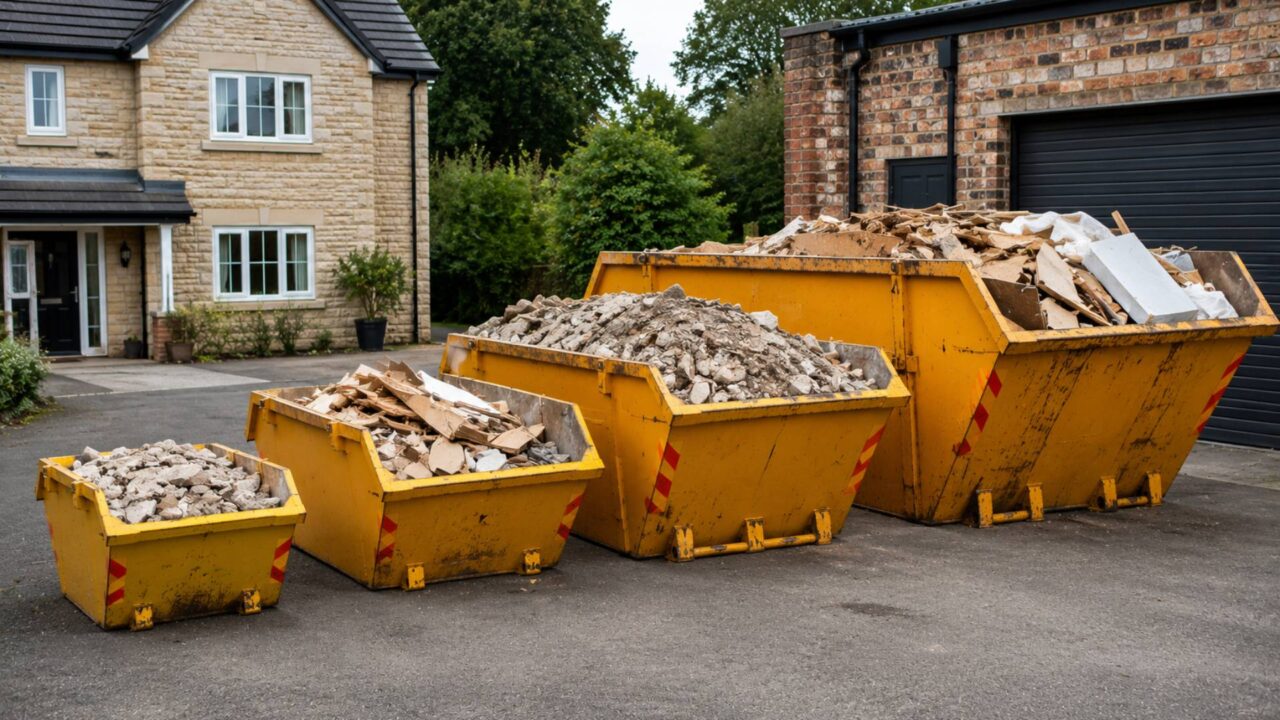




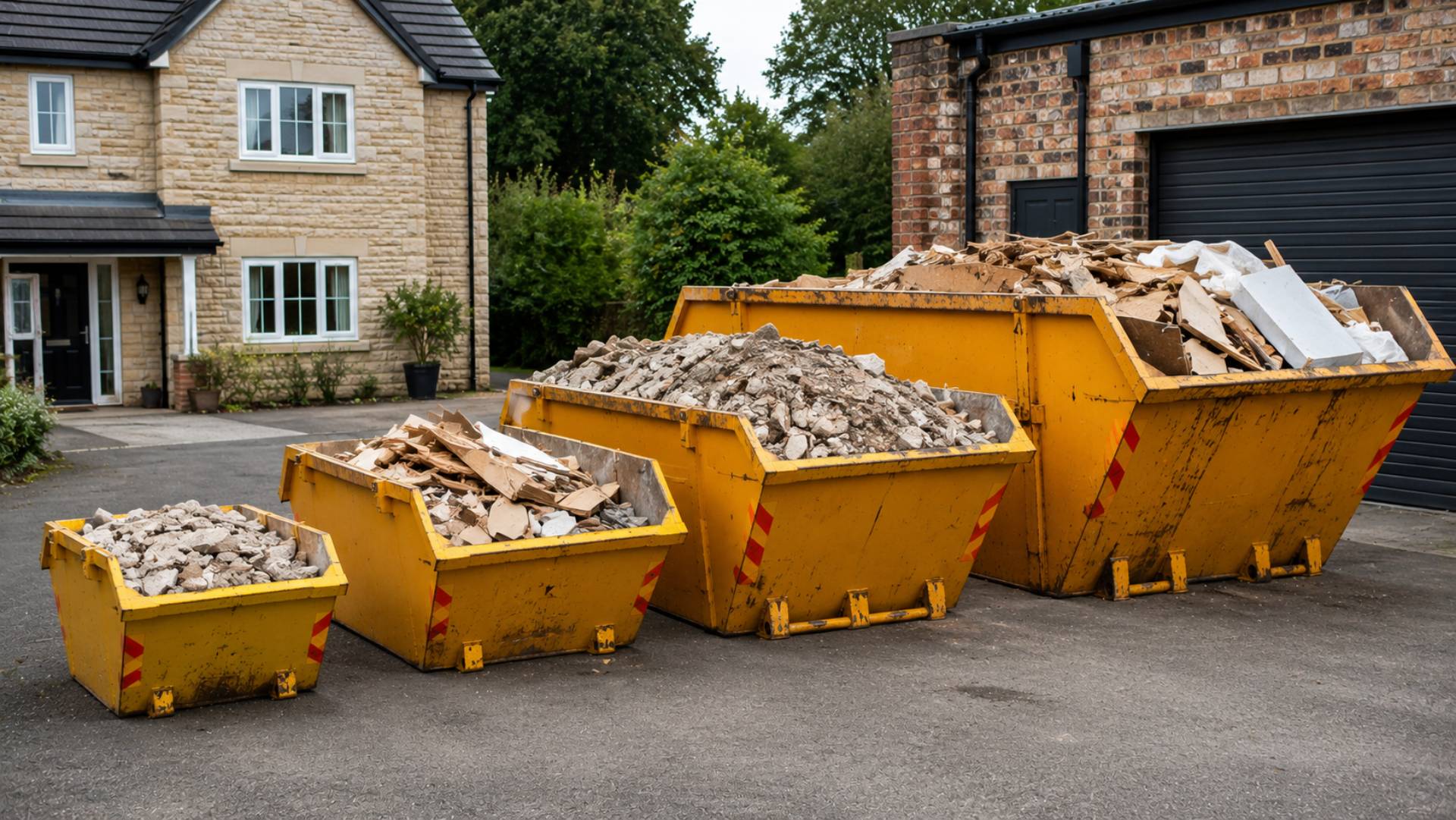
Choosing an appropriate skip size can save money, prevent delays and make waste removal more efficient. Whether you are clearing a garden, renovating a property or managing commercial waste, the right choice depends on volume, material type and available space.
Why Skip Size Matters
Hiring a skip that is too small may lead to an additional collection or a second booking. Choosing one that is unnecessarily large means paying for capacity you do not need.
When arranging skip hire Teddington, explain your project clearly to the provider. Details such as the number of rooms being cleared, the type of renovation and the main waste materials will help the company recommend a suitable option.
Understanding Common Skip Sizes
Skip capacities are normally measured in cubic yards. Exact dimensions can vary between suppliers, so always confirm measurements before booking.
Mini Skips
A mini skip, typically around two to three cubic yards, is suitable for small household clearances, minor DIY tasks and light garden work. It can be useful when outdoor space is restricted.
However, bulky furniture and large quantities of construction material can fill a mini skip surprisingly quickly.
Midi Skips
Midi skips commonly offer four to five cubic yards of capacity. They may suit bathroom refits, small kitchen projects, garden clearances and moderate quantities of household rubbish.
This size provides more flexibility than a mini skip while remaining relatively compact.
Builders’ Skips
Builders’ skips generally hold six to eight cubic yards. They are frequently used for renovation debris, larger house clearances and building projects.
An eight-yard skip can accept substantial amounts of mixed waste, but very heavy materials may be restricted. Ask the provider whether limits apply to soil, concrete, bricks and rubble.
Large Skips
Skips of ten, twelve or more cubic yards may be suitable for bulky, lightweight waste from major clearances or commercial projects. They are not always appropriate for heavy inert materials because the loaded container could exceed safe transport limits.
Estimate Your Waste Volume
List everything you expect to discard and group it by type. Consider the space occupied by dismantled furniture, packaging, fixtures, timber and bagged rubbish rather than judging the pile only by weight.
Do not assume waste can be loaded above the rim. Skips must have a safe, level load because loose or protruding items can create a hazard during transport. If you are between two sizes, ask whether the provider offers an exchange service.
Check Access and Placement
Before booking skip hire Teddington, measure the proposed location and the access route. Delivery lorries need adequate width, turning space and overhead clearance for lifting equipment.
Look for gates, parked cars, low branches and overhead cables. A loaded skip can damage weak paving or soft ground, so protective boards may be necessary. Confirm whether the driver can position the container without obstructing entrances, drainage covers or neighbouring properties.
Understand Permit Requirements
A skip placed entirely on private land, such as a driveway or building site, will not normally require a council permit. Placement on a public highway usually requires permission from the local authority.
The skip provider may arrange the permit, although fees and processing times vary. Roadside skips may also need reflective markings, lamps or safety barriers. Never arrange delivery to public land without confirming the applicable requirements.
Know Which Items Are Prohibited
Standard skips cannot accept every waste type. Commonly restricted items include:
- Asbestos and clinical waste
- Batteries and gas cylinders
- Paint, solvents and chemicals
- Fridges and freezers
- Tyres and fluorescent tubes
- Electrical equipment
Plasterboard may require separate handling, while mattresses and upholstered seating can attract additional charges. Disclose all materials in advance to avoid refused collection or unexpected fees.
Confirm Hire and Collection Arrangements
Ask how long the standard hire period lasts and whether extra days incur a charge. Establish how much notice is needed for collection and whether early removal is available.
Check what happens if access is blocked when the driver arrives. Clear written terms should explain wasted-journey charges, overfilled skips, restricted materials and weight limits.
Choose Responsible Waste Disposal
Use a company registered as a waste carrier with the Environment Agency. Ask where the waste will be taken and how recyclable materials are separated.
Responsible operators recover materials such as metal, wood, aggregates and cardboard wherever practical. Retain your booking confirmation and receipt, particularly when disposing of business or construction waste.
Conclusion
Selecting the right skip requires more than estimating how much rubbish you have. By comparing capacities, checking access, understanding restrictions and confirming disposal practices, you can control costs and keep your project safe, compliant and well organised.