





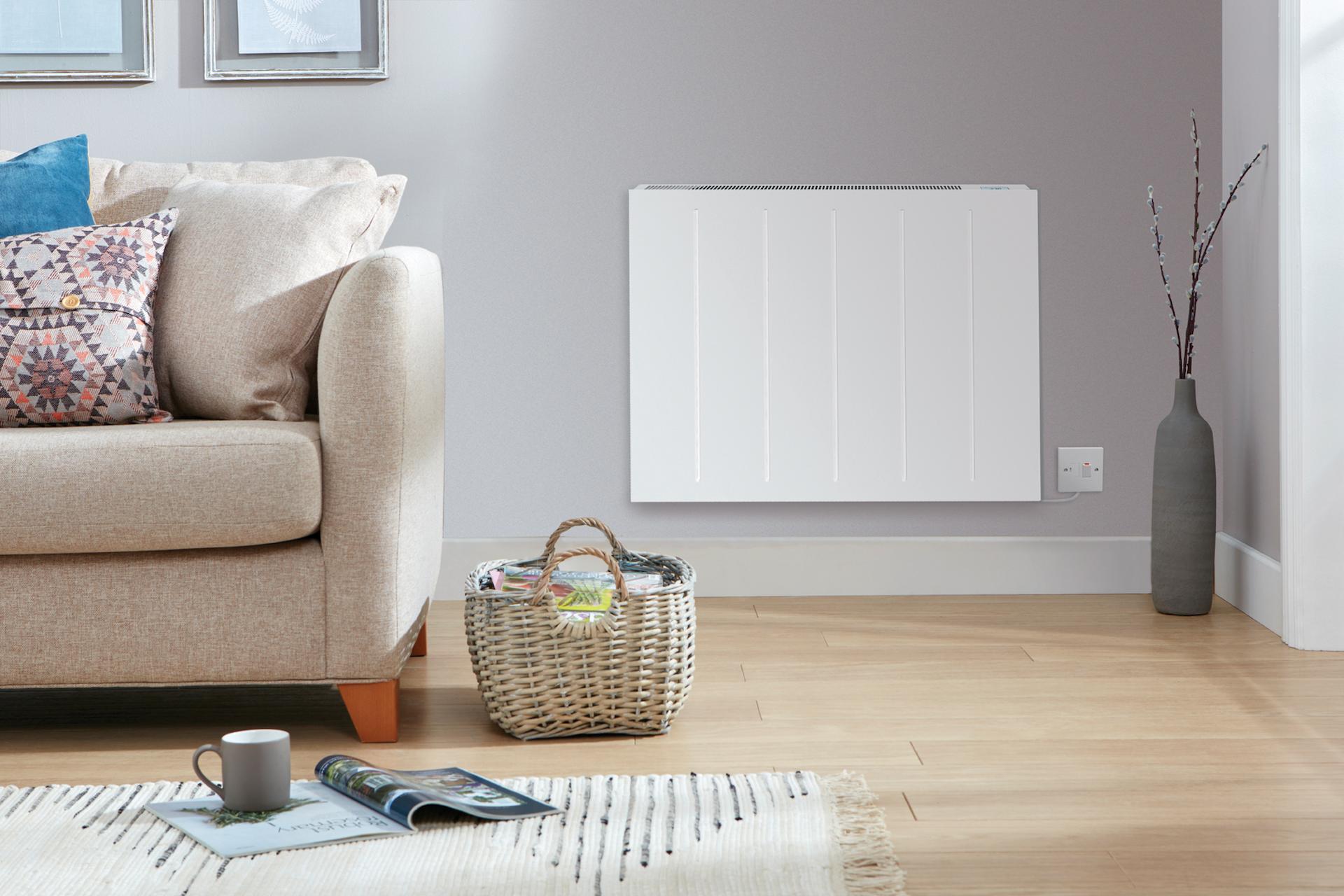
As the UK moves steadily towards a net-zero future, the way we heat our homes is undergoing a radical transformation. With the phasing out of gas boilers in new builds and a growing emphasis on renewable energy, many homeowners are looking beyond traditional central heating. Enter the electric radiator—once viewed as a costly, inefficient backup, but now a sophisticated contender for primary home heating. But the burning question remains: are electric radiators actually energy efficient, or will they simply send your utility bills into the stratosphere?
The shift toward electric heating is driven by both environmental conscience and practical necessity. Modern units are a far cry from the old, clunky storage heaters of the 1970s. Today’s models are sleek, responsive, and packed with smart technology designed to shave pounds off your monthly spend. If you are considering an upgrade, you might also be researching how to install an electric radiator to save on professional labour costs. While the physical mounting is often a straightforward DIY task, the efficiency of the unit itself depends on how it interacts with your home’s unique thermal profile.
The Science of 100% Efficiency
From a purely technical standpoint, all electric radiators are 100% efficient at the point of use. This means that every kilowatt of electricity you pay for is converted entirely into heat energy. In contrast, even the most modern “A-rated” gas condensing boilers usually hover around 92% to 94% efficiency due to heat loss through the flue.
However, “efficiency” in a laboratory is different from “cost-effectiveness” in a chilly semi-detached house in Manchester. Because electricity currently costs more per unit than gas in the UK, the real efficiency comes from precision control. Electric systems allow for “zonal heating,” meaning you only heat the rooms you are actually using, rather than firing up a whole-house system to warm a single home office.
Advanced Features That Drive Efficiency
What separates a budget heater from a high-end energy-efficient radiator is the control system. Modern units utilise several key technologies to ensure no energy is wasted:
- High-Precision Thermostats: Older systems often fluctuate by 2°C or 3°C, causing the room to overheat and then overcool. Modern digital thermostats are accurate to within 0.1°C, maintaining a steady climate without energy spikes.
- Open Window Detection: There is nothing more wasteful than a radiator fighting against a draught. Smart sensors can detect a sudden drop in temperature and temporarily pause heating until the window is closed.
- Adaptive Start Technology: Instead of simply turning on at 7:00 AM, the radiator “learns” how long it takes to heat your room and calculates exactly when to start so it reaches the target temperature by your desired time.
- Wi-Fi Connectivity and Geofencing: Many homeowners want to know how to install an electric radiator with smart capabilities so they can control their heating via a smartphone. Geofencing can even turn your heating off automatically when it detects your phone has left the house.
Comparing Dry Elements vs. Thermal Fluids
When browsing for radiators, you will encounter two main types: dry element and fluid-filled (often ceramic or oil). Dry element radiators heat up incredibly quickly, making them ideal for guest rooms or bathrooms that need heat “on demand.”
Thermal fluid or ceramic stone radiators, however, excel at heat retention. They take longer to warm up but continue to radiate heat long after the power has been cut. For living rooms and bedrooms where consistent warmth is required, these “thermal mass” options are significantly more efficient as they don’t need to draw power as frequently to maintain the temperature.
The Benefits of Zonal Heating
In a traditional gas central heating system, the pipework creates an inherent loss of energy as hot water travels from the boiler to the furthest bedroom. Electric radiators eliminate this “distribution loss.” By treating each room as an independent zone, you can keep the kitchen at 18°C, the lounge at 21°C, and the unoccupied guest room at a frost-protection level of 7°C.
This granular level of control is where the true savings are found. According to recent energy studies, reducing the temperature in unused rooms can lower annual heating bills by up to 20%. This makes electric heating an attractive prospect for those living in flats or smaller homes where a complex boiler and pipework installation would be impractical and expensive.
Factors to Consider Before Switching
Before you commit to a full-house transition, it is vital to assess your property’s insulation. Because electricity is a premium fuel, an uninsulated home will “leak” expensive heat through the walls and roof, quickly negating the efficiency of the radiators.
- Insulation Levels: Ensure your loft and cavity walls are properly insulated to retain the heat generated.
- Tariff Selection: Look for “Time of Use” tariffs or “Economy 7” if you plan to use heat-retention radiators that can charge during cheaper off-peak hours.
- Solar Integration: If you have solar PV panels, electric radiators can be powered by your own free, green energy, making them the most efficient and sustainable option available.
- Maintenance: Unlike gas systems, electric radiators require no annual safety certificates or bleeding, saving you roughly £80–£120 per year in servicing costs.
Installation and Aesthetics
One of the most appealing aspects of electric heating is the simplicity of the setup. There are no pipes to bury under floorboards and no need for an unsightly flue. Most units are “plug-and-play” or require a simple fused spur. Their modular nature means you can start with one room—perhaps a conservatory or a loft conversion—and expand the system over time as your budget allows. Furthermore, the design variety is immense, ranging from ultra-slim minimalist panels to traditional Victorian-style columns that suit period properties perfectly.
Conclusion: Is the Switch Worth It?
Electric radiators are undeniably energy efficient in the modern landscape, provided they are used intelligently. While the unit cost of electricity remains higher than gas, the 100% conversion rate, lack of maintenance costs, and precision zonal control bridge the gap significantly. They represent a future-proof investment, especially when paired with renewable energy sources or smart home ecosystems.
If you are looking to modernise your home’s climate, start by auditing your current heat loss and identifying which rooms would benefit most from independent control. By choosing high-quality units with smart thermostats and thermal retention properties, you can enjoy a warm, comfortable home without the environmental guilt or the maintenance headaches of the past. It is time to embrace a cleaner, smarter way to stay cosy.