


Advertising inflatables have become a powerful visual marketing tool for businesses that want to stand out instantly. Whether placed inside a shopping centre or outside at a busy event, they draw attention, create brand recall, and add a dynamic presence that traditional signage often lacks.
However, not all inflatables are designed the same. Choosing between indoor and outdoor options requires careful consideration of materials, durability, design, and environmental factors. Making the right choice ensures your investment delivers maximum impact and longevity.
Understanding these differences before placing an order can save both time and cost while helping you achieve your marketing goals effectively. Many businesses turn to reliable suppliers like ABC Inflatables to ensure quality, customisation, and long-term performance tailored to their needs.
Below is a detailed breakdown of the key factors to consider when deciding between indoor and outdoor inflatable advertising.
1. Purpose and Placement Matter Most
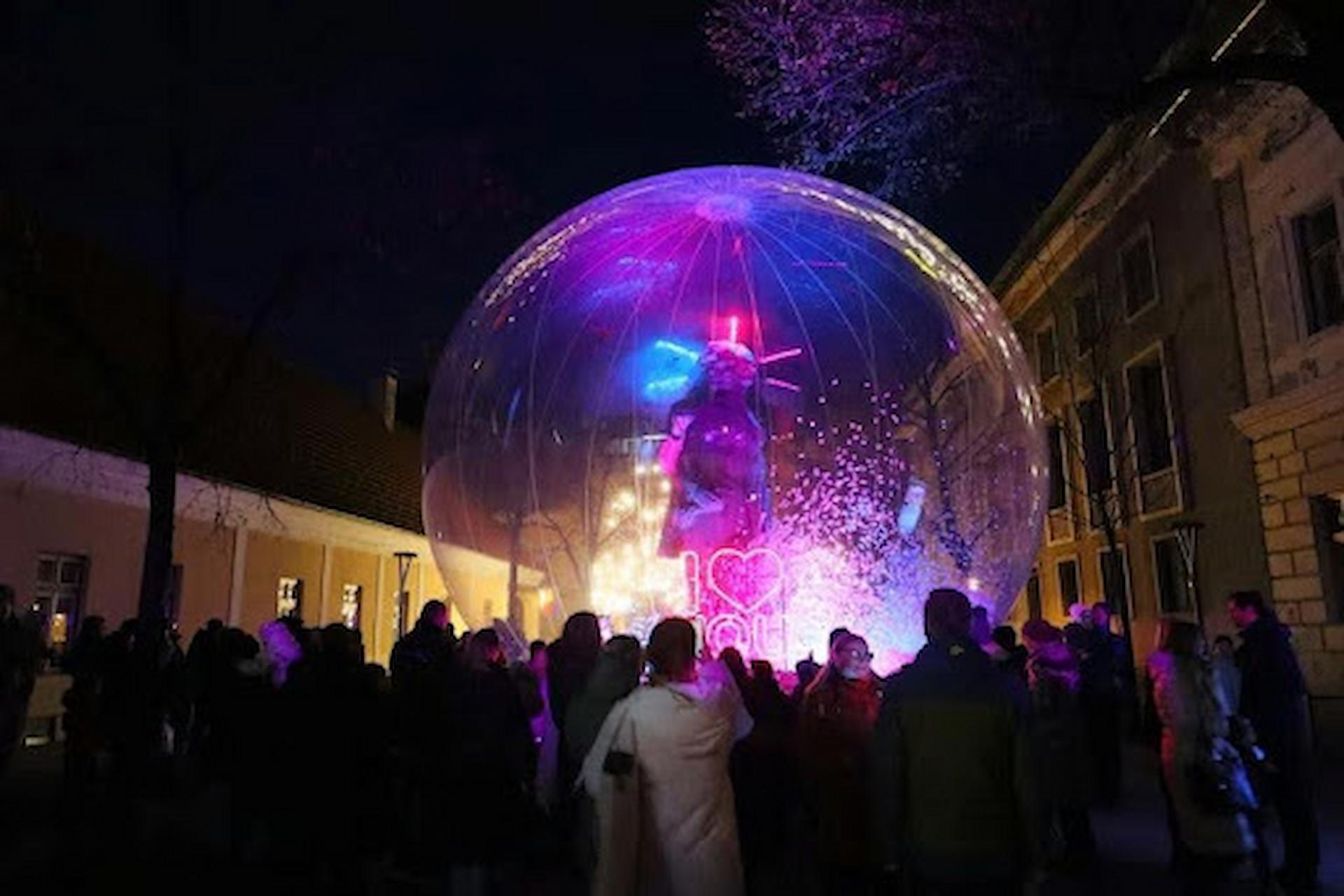
The first step in choosing the right inflatable is understanding where and how it will be used. Indoor inflatables are typically placed in controlled environments such as malls, exhibitions, showrooms, or retail spaces. Their primary purpose is to attract attention without needing to withstand harsh weather conditions.
Outdoor inflatables, on the other hand, are designed for visibility in open environments such as festivals, sporting events, roadside promotions, or business premises. They must be able to endure wind, rain, and sunlight while maintaining structural integrity.
Selecting the wrong type for your environment can lead to rapid wear and reduced effectiveness, making placement the most critical starting point.
2. Material and Build Quality Differences
Indoor inflatables are usually made from lightweight materials such as polyester or PVC blends. These materials allow for easy transport, quick setup, and vibrant printing but are not built for extreme conditions.
Outdoor inflatables require stronger, weather-resistant fabrics such as heavy-duty PVC or reinforced nylon. These materials are thicker, more durable, and resistant to UV rays, moisture, and abrasions.
The difference in build quality directly impacts lifespan. Outdoor inflatables are engineered for durability, while indoor ones prioritise visual appeal and convenience.
3. Weather Resistance and Durability
Outdoor inflatables must withstand unpredictable conditions. Wind resistance, waterproofing, and UV protection are essential features. High-quality outdoor models often include reinforced seams and anchoring systems to prevent movement or damage.
Indoor inflatables do not require such features. Since they operate in stable environments, they focus more on aesthetics than durability. This makes them less expensive but also less versatile.
If you plan to use your inflatable in multiple settings, investing in an outdoor-grade option can offer more flexibility, though at a higher cost.
4. Size and Visibility Considerations
Outdoor inflatables are typically larger and designed to be visible from a distance. Think giant arches, towering mascots, or large product replicas. Their size ensures they capture attention even in crowded or open spaces.
Indoor inflatables are usually smaller and more compact. They are designed to fit within confined spaces without overwhelming the environment. Their role is to complement the surroundings rather than dominate them.
Choosing the right size depends on your audience reach. Larger inflatables are effective for mass visibility, while smaller ones work best for targeted engagement.
5. Installation and Setup Requirements
Indoor inflatables are generally easy to set up. They require minimal anchoring and can often be installed within minutes using a simple electric blower.
Outdoor inflatables require more planning. They often need secure anchoring systems such as ground stakes, sandbags, or weighted bases. Setup may take longer and require additional equipment, especially for larger structures.
Ease of installation can influence your decision, particularly if you plan to use the inflatable frequently across different locations.
6. Power Source and Operational Needs
Both indoor and outdoor inflatables rely on continuous airflow from electric blowers. However, the power requirements can differ.
Indoor inflatables typically use smaller, quieter blowers suitable for enclosed environments. Noise levels are kept minimal to avoid disruption.
Outdoor inflatables may require more powerful blowers to maintain structure against wind and environmental pressure. This can result in higher energy consumption and slightly louder operation.
Understanding power needs is essential, especially for outdoor events where electricity access may be limited.
7. Design Flexibility and Customisation
Indoor inflatables often allow for more intricate designs, detailed graphics, and vibrant colours. Since they are not exposed to harsh conditions, designers can focus on aesthetics without compromising durability.
Outdoor inflatables, while still customisable, may require simpler designs to ensure longevity. Materials and printing techniques must withstand fading and wear over time.
If branding detail is your top priority, indoor inflatables may offer greater creative freedom.
8. Cost Differences and Budget Planning
Indoor inflatables are generally more affordable due to lighter materials and simpler construction. They are ideal for short-term promotions or controlled environments.
Outdoor inflatables come at a higher cost because of their durability, size, and additional features like anchoring systems and weather resistance.
While outdoor options require a larger upfront investment, they often provide better long-term value due to their versatility and lifespan.
9. Maintenance and Storage Requirements
Indoor inflatables require minimal maintenance. Regular cleaning and proper storage are usually sufficient to keep them in good condition.
Outdoor inflatables need more care. Exposure to dirt, moisture, and sunlight means they must be cleaned thoroughly and dried before storage. Regular inspections are also necessary to check for wear and tear.
Proper maintenance extends the lifespan of both types, but outdoor inflatables demand more attention.
10. Safety and Compliance Factors
Safety is a key consideration, especially for outdoor inflatables. They must be securely anchored to prevent accidents caused by strong winds or instability.
Indoor inflatables also require safety checks, particularly in high-traffic areas. Fire-resistant materials and proper placement are essential to meet safety regulations.
Choosing a reputable supplier ensures your inflatable meets all necessary safety standards and compliance requirements.
Conclusion
Choosing between indoor and outdoor advertising inflatables is not just about location—it is about performance, durability, and long-term value. Indoor inflatables excel in controlled environments where visual appeal and ease of use are priorities. Outdoor inflatables, meanwhile, are built to withstand the elements while delivering maximum visibility.
By carefully evaluating your needs, budget, and intended use, you can select the right inflatable that aligns with your marketing objectives. Investing in the right option ensures your brand stands out effectively while maintaining reliability over time.