


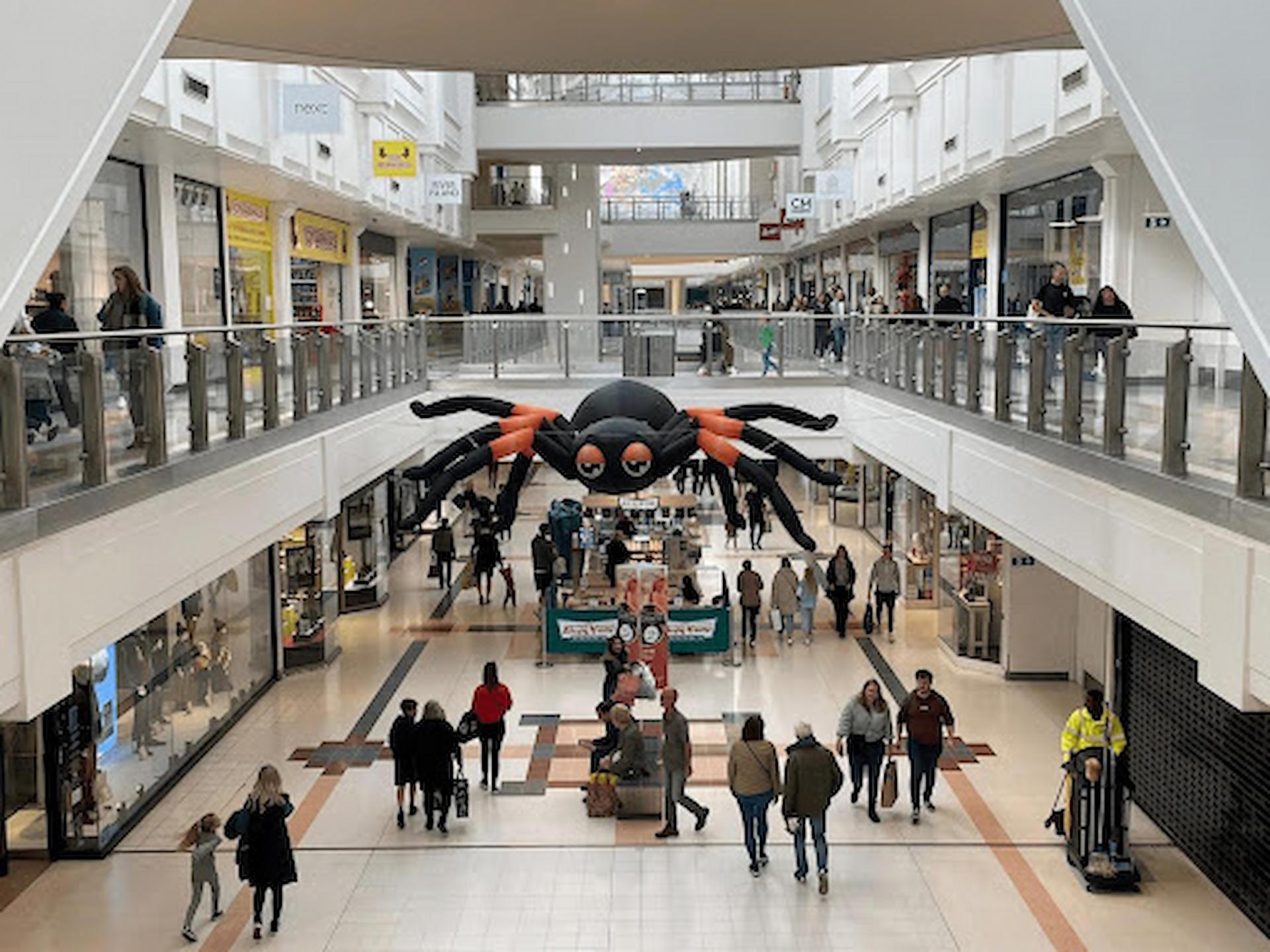
Bright colours and eye-catching shapes make inflatables exciting, but their real strength lies beneath the surface. Careful engineering, durable materials, and thoughtful safety features allow modern inflatables to perform reliably in busy environments. Understanding how they are designed helps businesses and event planners choose structures that remain safe and dependable.
In the world of promotional displays, event attractions, and outdoor advertising, inflatables have become a powerful visual tool. Their ability to capture attention while remaining lightweight and portable makes them highly practical for businesses and organisations.
However, behind every successful inflatable structure lies careful design and engineering. Companies such as Megaflatables focus heavily on safety, durability, and structural stability to ensure these structures perform well in a wide range of environments. From material selection to structural reinforcement, every stage of production contributes to long-lasting performance.
Strong Foundations: Why Safety and Durability Matter in Inflatable Design
Before looking at specific design elements, it is important to understand why durability and safety are such central priorities. Inflatables are often used in public spaces, outdoor events, or high-traffic environments where reliability is essential.
Durable construction ensures that inflatables remain stable during continuous use, while proper safety design helps reduce risks associated with movement, pressure changes, or environmental conditions.
Understanding Structural Integrity
Structural integrity refers to the ability of a structure to maintain its shape and strength while under pressure or external forces. In inflatable structures, this depends on:
- Internal air pressure balance
- Fabric strength and flexibility
- Reinforced seams and connection points
When these elements are designed properly, the inflatable can maintain its shape without tearing, collapsing, or losing stability.
The Materials That Make Inflatables Strong
Material selection is crucial in inflatable manufacturing. High-quality fabrics help inflatables resist wear and environmental exposure.
Heavy-Duty PVC and Reinforced Fabrics
Most inflatables use PVC (polyvinyl chloride) coated fabric, known for strength and flexibility.
Key benefits include:
- Tear and puncture resistance
- Water resistance for outdoor use
- UV protection from sun damage
- Flexibility that prevents cracking
These features help inflatables stay durable in different weather conditions.
Multi-Layer Fabric Construction
Many inflatables use multi-layer fabrics to increase strength while keeping them lightweight.
Common layers include:
- Protective outer coating
- Strong woven fabric core
- Internal air-sealing layer
This layered design improves durability and extends product lifespan.
Precision Engineering for Stability
The shape and internal structure of an inflatable are carefully designed to maintain balance and stability. Although inflatables may look simple, they rely on controlled airflow and pressure to function properly.
Many inflatables use multiple internal air chambers that divide the structure into sections. This design improves balance, helps maintain shape, and reduces the risk of full deflation if one section loses air. These chambers act like internal supports that keep the structure upright.
Seams are another critical part of inflatable construction. To prevent air leaks, manufacturers strengthen them with double stitching, heat-welded joints, and reinforcement at stress points, ensuring the structure stays secure during use.
Safety Features That Protect Users
Safety in inflatable design goes beyond strong materials. Modern inflatables include built-in features that reduce risks in busy environments. Manufacturers like Megaflatables integrate safety elements to ensure stable and secure operation.
Anchoring systems help keep inflatables secure, especially outdoors. Ground stakes, weighted bases, and rope supports prevent movement and maintain stability during use.
Controlled airflow systems also play an important role. Electric blowers maintain steady air pressure, prevent over-inflation, and provide continuous airflow, helping the inflatable stay upright and properly shaped.
Testing and Quality Assurance
Durability and safety are not determined only by design. Testing plays a critical role in ensuring inflatable structures meet performance expectations.
Manufacturers often conduct multiple checks during production to confirm structural strength and air retention.
Pressure Testing
Pressure testing evaluates whether the inflatable can maintain air pressure without leaks or structural strain.
During testing, manufacturers check:
- Seam strength
- Air retention capability
- Stability under continuous inflation
This process helps confirm that the structure can withstand long periods of operation.
Fabric Strength Evaluation
Fabric testing measures resistance to tearing, stretching, and punctures. These tests simulate the stresses that inflatables may encounter during real-world use.
By evaluating these factors early, manufacturers can improve durability before the inflatable reaches the market.
Practical Tips for Maintaining Inflatable Durability
Even well-designed inflatables benefit from proper care. Simple maintenance steps can help extend their lifespan and maintain safe operation.
Here are several useful practices:
- Inspect seams and surfaces regularly to identify early signs of wear.
- Keep the inflatable clean and dry before storage to prevent material degradation.
- Ensure blowers and airflow systems remain unobstructed for consistent pressure.
- Secure anchors properly during outdoor use to reduce movement and stress on seams.
- Store inflatables in cool, dry conditions to protect materials from long-term damage.
These small actions can significantly improve durability over time.
Designing Inflatables for Long-Term Performance
The success of inflatable structures depends on the careful balance between lightweight construction and structural strength.
Engineers combine flexible materials, reinforced seams, controlled air pressure, and reliable anchoring systems to achieve this balance. Each design decision contributes to a structure that remains stable, safe, and visually impressive.
Midway through the production process, manufacturers often refine structural elements to improve long-term durability. Companies such as Megaflatables place particular emphasis on testing, material quality, and engineering precision to ensure their inflatables meet high performance standards.
Conclusion: Engineering Behind Every Inflatable Structure
Inflatables may appear simple from the outside, but their performance relies on thoughtful engineering and strong materials. From heavy-duty fabrics and reinforced seams to controlled airflow systems and safety anchoring, each element plays a role in keeping the structure reliable.
When design, materials, and testing work together effectively, inflatable structures can provide long-lasting performance in many environments. By focusing on safety and durability throughout the manufacturing process, providers like Megaflatables help ensure that these eye-catching structures remain dependable and secure for years to come.