




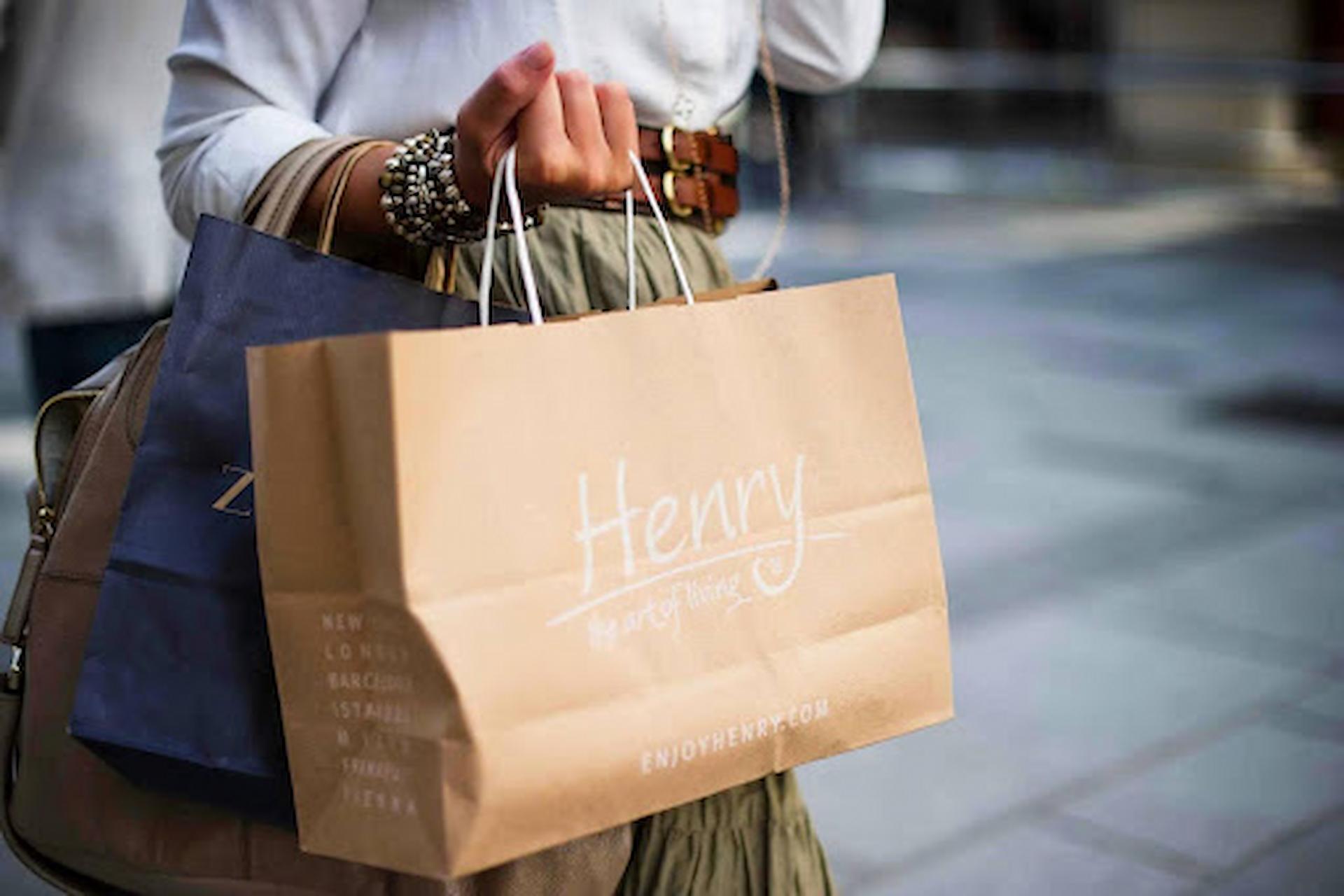
From retail counters to takeaway packaging, paper bags now play a central role in brand presentation. The printing technique behind them determines visual clarity, durability, and perceived quality. Understanding how each method works helps businesses choose packaging that aligns with both brand identity and practical production needs.
Packaging is often the first physical interaction a customer has with a brand. The appearance, texture, and print quality of custom printed paper bags strongly influence how that brand is perceived. While paper weight and bag construction matter, printing techniques ultimately define how effectively branding elements are communicated.
Each printing method offers different strengths in terms of colour accuracy, scalability, finish, and cost efficiency. Understanding these techniques allows businesses to select a solution that supports consistent branding while meeting production and budget expectations.
Flexographic Printing
Flexographic printing is one of the most widely used methods for paper bag production, particularly in high-volume commercial environments. Its strength lies in speed, efficiency, and reliability, making it a practical option for consistent, repeat branding.
-
How the process works
Flexographic printing uses flexible rubber or polymer plates mounted on rotating cylinders. Ink is transferred evenly onto the paper surface at high speed, supporting continuous production runs.
-
Where flexography performs best
This technique is well suited to simple logos, text-based designs, and limited colour palettes. It delivers consistent results across large quantities with minimal variation.
-
Key considerations
Flexographic printing is less suitable for fine detail or tonal gradients. Artwork should be bold and clearly defined to achieve optimal results.
Offset Printing
Offset printing is known for its precision and superior visual quality. It is commonly used when branding demands sharp detail, controlled colour accuracy, and a refined finish.
-
Precision and colour accuracy
The process transfers ink from metal plates to a rubber blanket before applying it to paper. This indirect method ensures crisp edges and smooth colour transitions.
-
Ideal use cases
Offset printing is ideal for designs with complex layouts, multiple colours, or brand-specific colour requirements that must remain consistent.
-
Practical limitations
Higher setup costs make offset printing more economical for medium to large production runs rather than small batches.
Digital Printing
Digital printing offers flexibility and speed, making it increasingly popular for modern packaging needs. It enables designs to move directly from digital files to production without the need for printing plates, reducing setup time and simplifying the overall process. Because the artwork is applied straight from the source file, turnaround times are fast and design changes can be implemented easily, even at short notice. This makes digital printing particularly suitable for limited quantities, seasonal branding, or packaging that requires frequent updates. It also supports complex designs and multiple colour variations without added setup complexity. While print quality is consistently high, minor colour variation may occur across very large production runs when compared with traditional printing methods, which is an important consideration for long-term brand consistency.
Screen Printing
Screen printing prioritises visual impact, producing bold and tactile designs with strong colour depth. Ink is applied through a mesh screen, creating a thicker ink layer that enhances durability and visibility. This technique works well for simple, high-contrast branding where clarity is essential. However, as each colour requires a separate screen, it is less suitable for intricate or multi-colour designs due to increased setup time and complexity.
Hot Foil Stamping
Hot foil stamping is used to elevate packaging through texture and visual contrast. It is a finishing technique rather than a primary printing method.
A premium finishing technique
Heat and pressure bond metallic or pigmented foil to the paper surface, creating reflective and tactile effects.
When to use foil
Foil stamping is effective for highlighting logos or brand names where visual emphasis is required.
Technical requirements
It requires precise alignment and is usually combined with another printing method.
Embossing and Debossing
Embossing and debossing add depth and texture to paper bags without the use of ink, enhancing the physical feel of the packaging. Embossing raises selected design elements above the surface, while debossing presses them into the paper, creating a subtle yet distinctive effect. These techniques are well suited to refined branding, particularly for minimalist designs and premium materials. To achieve clean and durable results, sufficient paper thickness and structural strength are essential, as lighter stocks may not hold the impression effectively.
Choosing the Right Printing Technique
Choosing the right printing technique is a strategic decision that balances visual appeal, practical performance, and production efficiency. High-volume retail packaging typically prioritises speed and consistency, while premium branding places greater emphasis on finish and detail. Artwork must be prepared specifically for the chosen method to maintain clarity and accurate reproduction. Businesses that order custom printed paper bags regularly benefit from working with experienced suppliers such as The Printed Bag Shop, ensuring consistent quality, colour control, and finish across all orders.
Frequently Asked Questions
Q1: What is the most cost-effective printing method for paper bags?
Flexographic printing is generally the most cost-effective option for large-volume orders, as it offers fast production speeds and consistent results for simple, repeat designs.
Q2: Which printing technique delivers the highest visual quality?
Offset printing provides superior detail and colour accuracy, making it suitable for designs that require a clean, professional, and premium appearance.
Q3: Is digital printing suitable for long-term brand consistency?
Digital printing is ideal for short runs and evolving designs, but traditional methods often deliver stronger colour consistency across large or repeat orders.
Q4: Can multiple printing techniques be combined on one paper bag?
Yes, techniques like embossing, debossing, or foil stamping are commonly combined with primary printing methods to enhance visual and tactile appeal.
Q5: How does paper quality affect printing results?
Paper thickness, surface texture, and finish influence ink absorption, clarity, and durability, making paper selection critical to overall print quality.
The Bottom Line
Printing techniques shape how paper bags communicate brand value, reliability, and professionalism. Each method offers distinct advantages, from the efficiency of flexographic printing to the visual refinement of foil stamping and embossing. By understanding how these techniques perform, businesses can make informed packaging decisions that support brand consistency and production efficiency. When chosen carefully, custom printed paper bags function as a practical marketing asset, reinforcing brand identity while delivering durability, clarity, and long-term value across every customer interaction.